Vagal and Pelvic Nerve Activation

Restoring Your Nervous System's Capacity for Calm

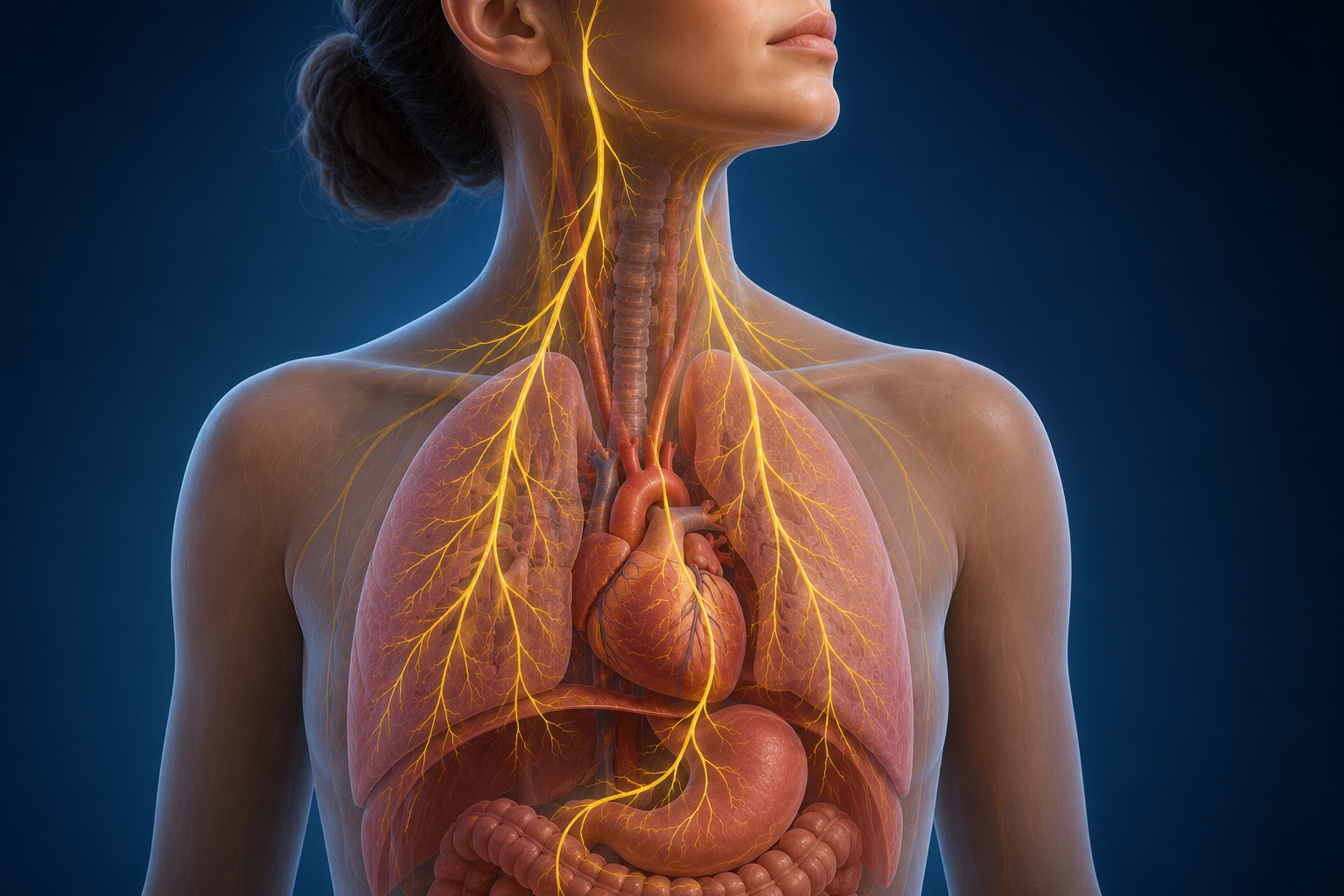
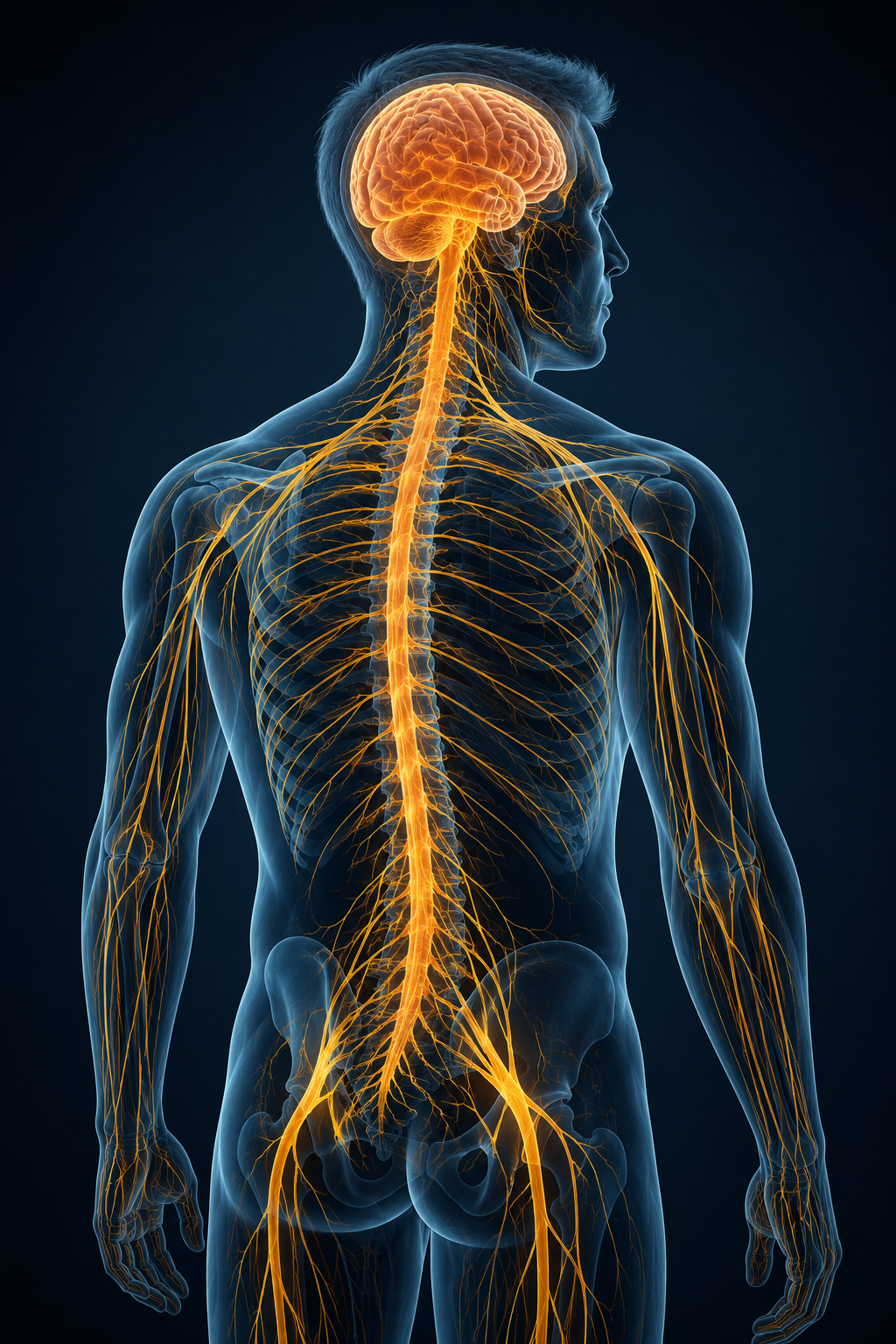
Your nervous system operates in two primary modes: sympathetic — the stress, alert, and protect response — and parasympathetic — the calm, digest, heal, and restore response. The vagus nerve is the primary highway of the parasympathetic system. It runs from your brainstem down through your neck, chest, and abdomen, connecting your brain to your heart, lungs, digestive organs, and pelvis.

When the vagus nerve is functioning well, it tells your body it’s safe to relax, digest food, heal tissue, and recover from stress. When vagal tone is low — suppressed by chronic stress, old injury, inflammation, or trauma — the nervous system loses much of its ability to shift out of protection mode, regardless of what else you try.

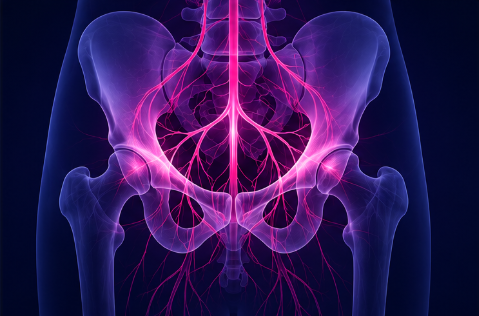
The pelvic nerve governs the lower body’s parasympathetic pathway, originating from the sacral region of the spine and controlling function in the lower pelvis, reproductive organs, bladder, and lower digestive tract. When it’s functioning well, it supports healthy elimination, pelvic floor coordination, sexual function and sensation, and a grounded sense of connection to your lower body. When it’s suppressed — which is common in nervous system dysregulation — the effects ripple through digestion, pelvic comfort, bladder function, and more.

How It Works

Vagal Nerve Activation

Most vagal stimulation approaches target a single point and hope the effect travels along the nerve pathway on its own. Denali’s approach is different. We identify two specific neural emergence sites — precise locations where the vagus nerve comes close to the surface — and connect them directly with precision microcurrent, creating an active electrical pathway rather than a passive one. This is the difference between shouting into a canyon hoping for an echo and building a direct line between two points.

After microcurrent therapy activates the vagal pathway, we apply ChemStim — a topical chemical stimulant at the treatment site that continues activating the nerve for hours after you leave the office. This extended activation gives your nervous system time to begin retraining toward a calmer baseline rather than simply experiencing a brief window of relief.

Pelvic Nerve Activation

Pelvic Nerve Activation uses the same precision microcurrent approach, connecting neural sites in the lower back to specific sites in the pelvic region, creating direct neural connections that wake up suppressed pathways and restore healthy pelvic nerve function. Treatment is available in three levels of depth — mini, medium, and full — based on your needs and comfort. ChemStim is not used for pelvic nerve activation; the direct microcurrent connection provides optimal results in this region.

What to Expect

Sessions run 30 to 45 minutes. Most patients describe the experience as quiet — a subtle pulsing, a sense of tension releasing from places they didn’t know they were holding, a shift in breathing they didn’t anticipate. Some patients notice changes during the session itself. Others experience progressive improvement over the days following treatment as the nervous system begins to recalibrate.

Most protocols involve 6 to 12 sessions for the initial series, with maintenance sessions available afterward to sustain improvements.

What It Helps

Vagal Nerve Activation is particularly effective for chronic stress and anxiety, digestive dysfunction and poor gut motility, sleep disturbances, low heart rate variability, brain fog, chronic inflammation, fibromyalgia, difficulty recovering from stress, and conditions where the nervous system is stuck in a sympathetic dominant state.

Pelvic Nerve Activation addresses chronic pelvic pain, bladder urgency or incontinence, reduced sexual function or sensation, pelvic floor dysfunction, postpartum recovery, painful intercourse, endometriosis-related discomfort, and a feeling of disconnection or numbness in the lower body.

Stop Guessing. Start Understanding.

Safety Considerations

These therapies are generally very well-tolerated. They are not appropriate during pregnancy (pelvic nerve activation specifically), with implanted electronic devices such as pacemakers or defibrillators, in the presence of active pelvic infection, or with uncontrolled seizure disorder. Side effects are typically mild — temporary emotional release, mild fatigue as the nervous system shifts into rest mode, or brief tingling during treatment. Your provider will review your history during your Discovery evaluation.

10 Tips for Overcoming Joint Pain

Enter your information below to learn how we've helped thousands treat the root source of their pain and helped them truly heal by triggering the body's innate healing system.

You have Successfully Subscribed!