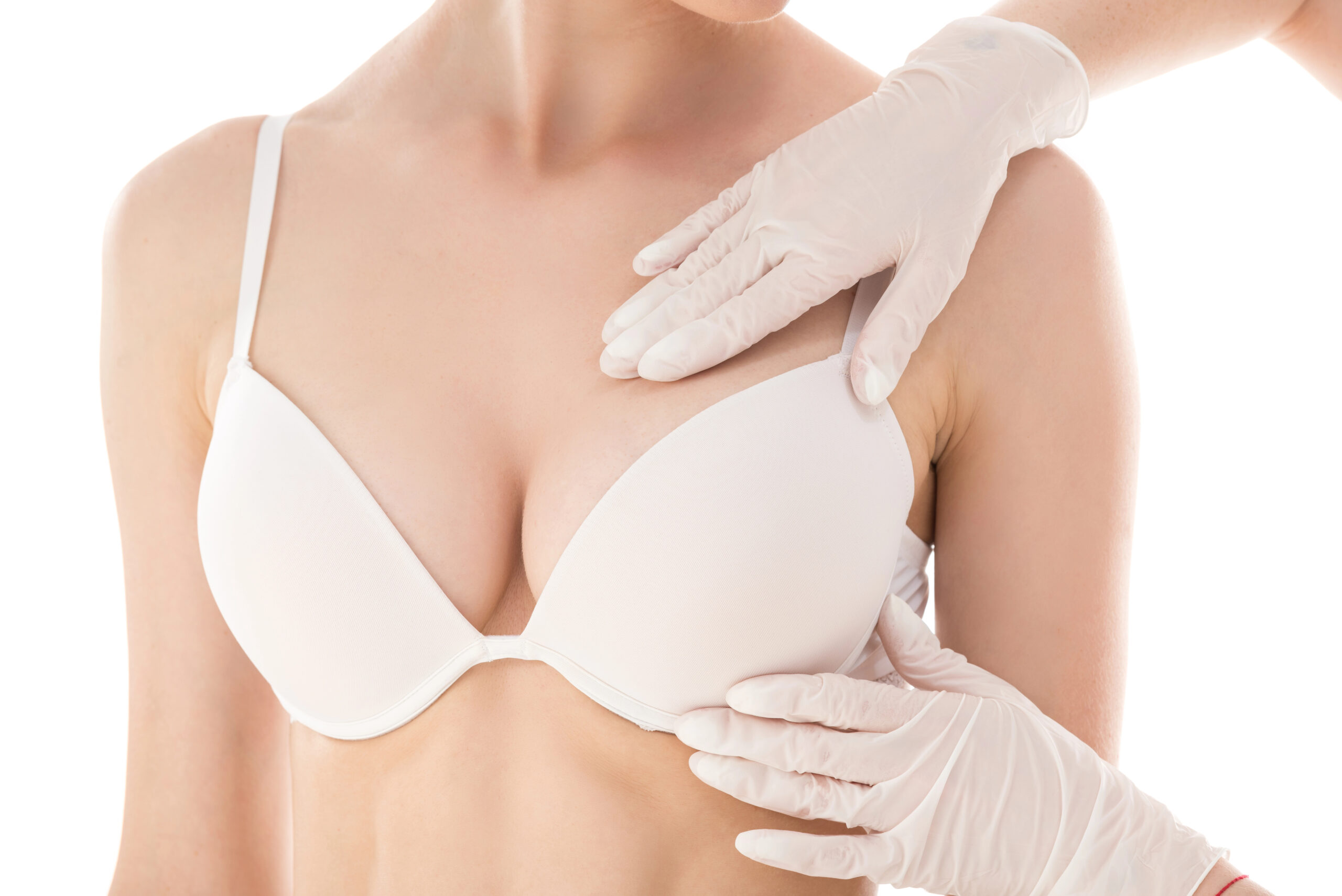
Shockwave Therapy for Breast Health

A Non-Invasive Therapy That Goes Where Conventional Care Doesn't

Most breast health care focuses on detecting problems. Shockwave therapy focuses on something different — the tissue itself, and what’s happening within it.

Extracorporeal Shockwave Therapy (ESWT) uses targeted acoustic sound waves delivered gently through the skin to stimulate tissue at the cellular level. Originally developed in orthopedics and urology, it is now backed by clinical research for breast tissue health — particularly for conditions involving fibrosis, scar tissue, and impaired lymphatic drainage.

No needles. No anesthesia. No downtime.

How It Works

When sound waves are delivered to tissue, they create a cascade of biological responses: collagen remodeling and softening of fibrotic tissue, promotion of new lymphatic and blood vessel growth, reduction of pain and inflammation, breakdown of established scar tissue, and support for cellular regeneration.

For breast tissue, these effects are particularly meaningful in two contexts.

Capsular Contracture in Implant Patients

When scar tissue tightens around a breast implant, it causes firmness, distortion, and pain — a condition called capsular contracture. ESWT is one of the only clinically studied non-surgical options available. Clinical studies show a success rate exceeding 75% for Grade I through III capsular contracture treated with ESWT. A 2025 randomized controlled trial found statistically significant improvements in breast softness, pain, fibrosis size, and shoulder mobility, with results sustained at three-month follow-up.

Grade I–II contracture (soft to firm) responds best and represents the ideal time to begin. Grade III (noticeable hardness and distortion) shows meaningful improvement. Grade IV (severe hardening with pain) may require additional sessions or surgical consultation — and is the reason early treatment matters.

Focused shockwave has been tested on major implant brands at maximum settings with no harm to implant integrity.

Lymphatic Fibrosis and Post-Reconstruction

For women who have had mastectomy and reconstruction, ESWT directly targets fibrosis with clinically proven improvement in softness, pain, and mobility — including patients who have had radiation. Research has also shown significant reduction in lymphedema volume maintained for six months or more, and ultrasound-confirmed reduction in fibrosis depth and density.

What to Expect

Treatments are typically 4 to 8 sessions over several weeks, each lasting 15 to 30 minutes. The experience is well-tolerated — most patients describe a mild pulsing or tapping sensation at the treatment site. No preparation or recovery time is required.

Results can last years when combined with ongoing lymphatic support through Denali’s Breast Health Cleanse protocol, which opens lymphatic pathways that shockwave then stimulates at a deeper cellular level. Together, they address both the symptom and the environment that allowed it to develop.

What It Helps

Shockwave therapy for breast health is appropriate for capsular contracture (Grades I through III), post-mastectomy and post-reconstruction fibrosis, breast-related lymphedema, scar tissue from breast surgeries or lumpectomy, impaired lymphatic drainage, and tissue that has become fibrotic or hardened over time. It can be used preventively before contracture develops or therapeutically once it is present.

Stop Guessing. Start Understanding.

Safety Considerations

ESWT for breast health is non-invasive with no known serious adverse effects when performed by trained providers. It is not appropriate with active infection in the treatment area or with certain clotting disorders. Your provider will review your history before your first session.

Shockwave therapy does not diagnose or treat cancer and is not a substitute for physician-recommended screening or oncologic care.

10 Tips for Overcoming Joint Pain

Enter your information below to learn how we've helped thousands treat the root source of their pain and helped them truly heal by triggering the body's innate healing system.

You have Successfully Subscribed!