Hypogastric Neural Plexus (HNP) Therapy

Resetting the Pelvis's Command Center

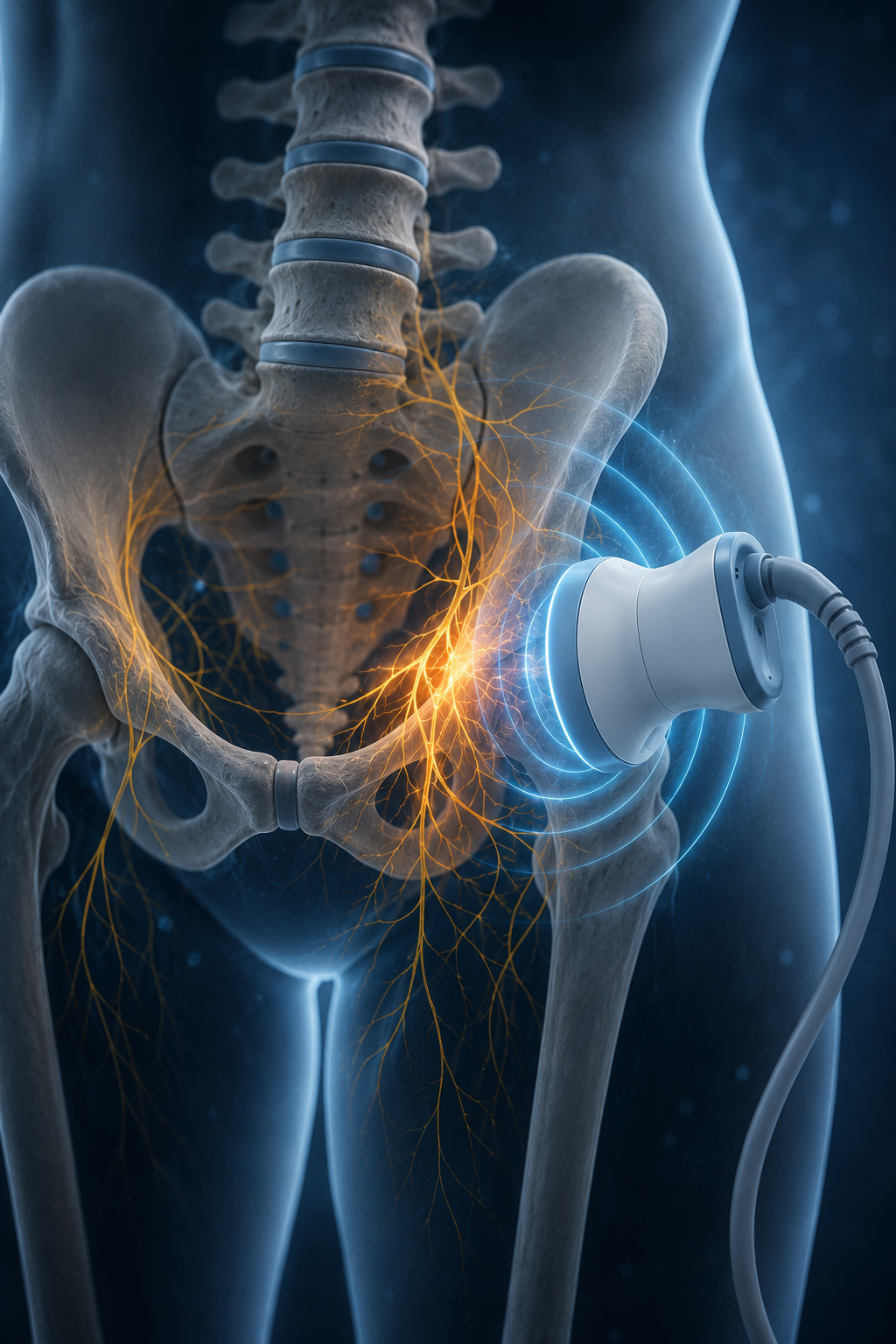
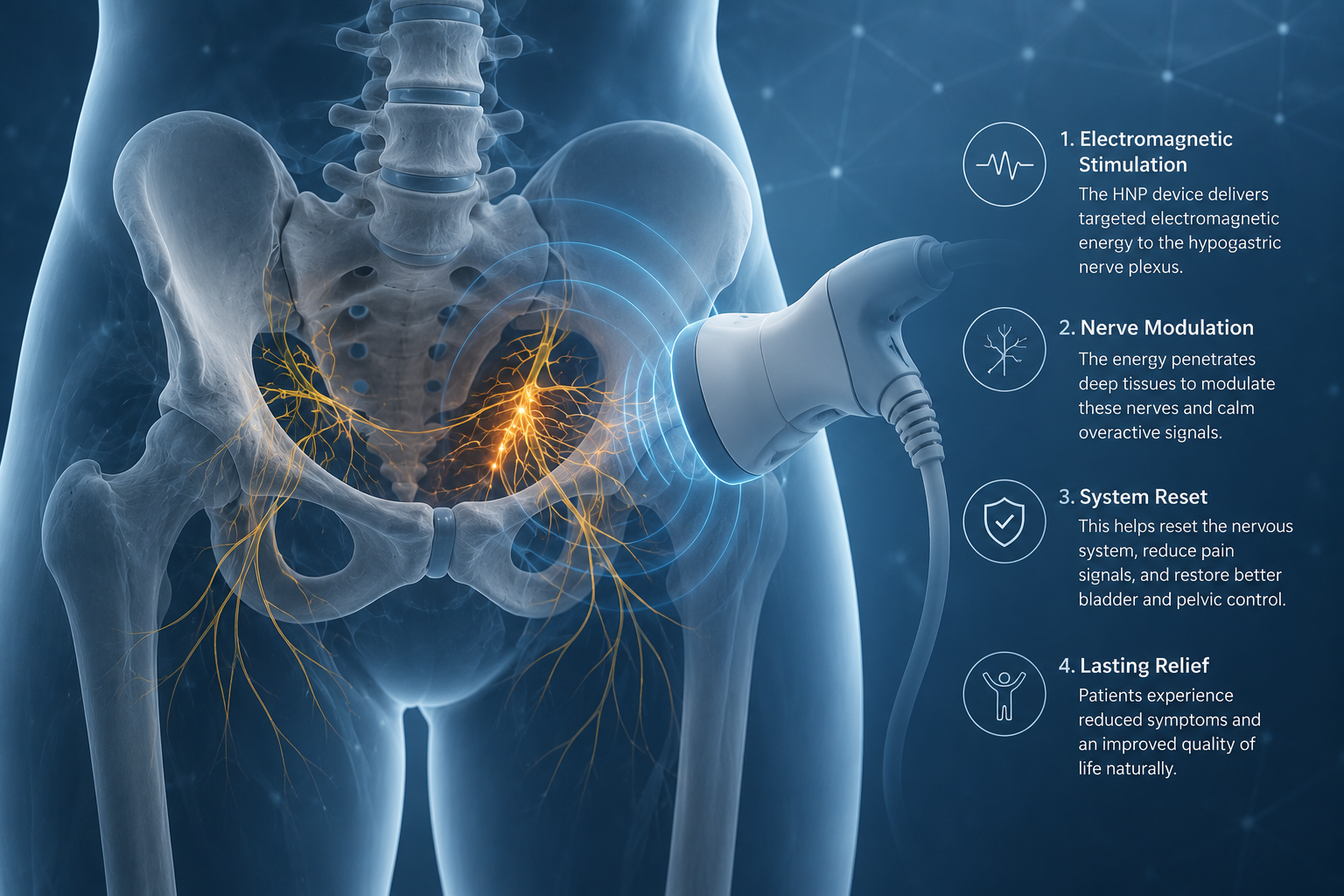
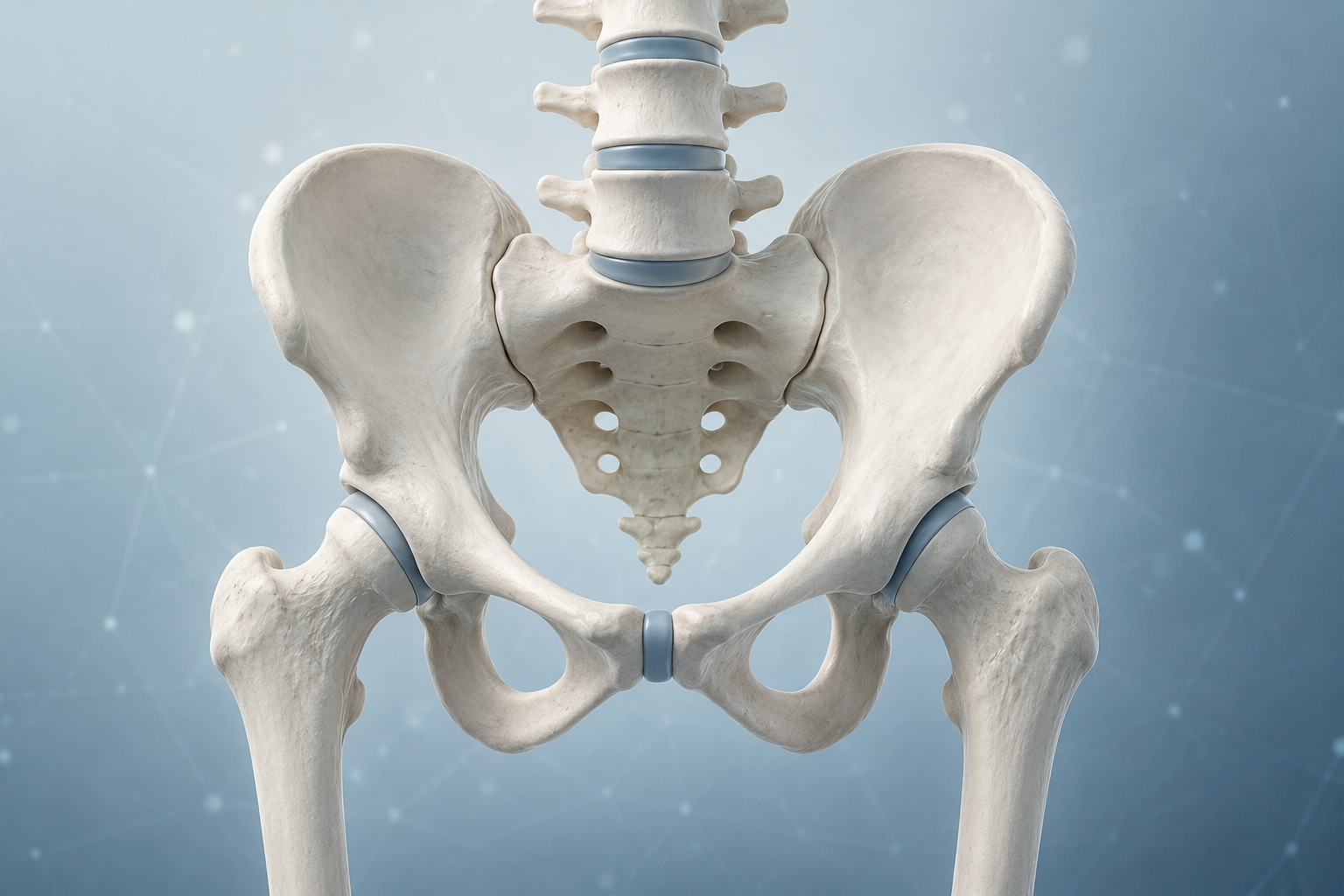
Deep in the pelvis, in front of the lower spine around the L5-S1 region, lies a major nerve hub called the hypogastric plexus — also known as the Frankenhauser ganglion. This network of nerves controls sympathetic signaling to the uterus and ovaries (or prostate in men), bladder and lower urinary tract, lower colon and rectum, pelvic blood vessels, and pelvic floor muscles.

When functioning properly, the hypogastric plexus coordinates these organs seamlessly. But under chronic stress, inflammation, trauma, endometriosis, adhesions, or persistent pelvic pain, this nerve center can become hyperactive — stuck sending pain and tension signals even when no real threat is present. When that happens, the entire pelvic region stays in a state of sympathetic overdrive: tense, reactive, and slow to heal regardless of what else is done to address symptoms.

For many patients, particularly those who carry physical or emotional trauma in the pelvic region, the hypogastric plexus is where that tension is actually being generated — and where treatment needs to reach.

How It Works

The conventional approach to the hypogastric plexus is a nerve block — a local anesthetic that temporarily quiets the signal. HNP therapy at Denali takes a different approach.

Rather than muting the signal, RenuO2 is delivered directly to the nerve center to help reset it. RenuO2 interrupts chronic sympathetic pain signal patterns, reduces inflammation and oxidative stress in nerve tissue, enhances parasympathetic tone, improves circulation to pelvic organs, reduces visceral hypersensitivity, and supports nerve healing and regeneration over time.

Unlike temporary blocks, this approach promotes actual rebalancing of nerve function rather than temporary suppression — which is why results tend to be more durable.

The procedure is performed with you lying comfortably while your provider uses anatomical landmarks to locate the hypogastric plexus precisely and delivers RenuO2 via a fine needle. The procedure takes 15 to 30 minutes.

What to Expect

Most patients describe feeling pressure or a deep sensation during the injection, often followed by an immediate sense of release or relaxation in the pelvic region. Many notice warmth and increased circulation in the area, a grounding sensation, and relief from chronic discomfort they had adapted to carrying.

In the days that follow, patients often experience progressive reduction in chronic pelvic pain, improved digestive function, better bladder control, enhanced sexual function and sensation, decreased menstrual cramping, reduced overall anxiety, and improved sleep quality.

Most patients benefit from 3 to 6 treatments spaced 2 to 4 weeks apart. Some experience meaningful relief after a single session.

What It Helps

HNP therapy is particularly effective for chronic pelvic pain, endometriosis-related discomfort, painful menstruation, painful intercourse, pelvic floor tension, digestive dysfunction with a pelvic component — including constipation and IBS with a pelvic origin — bladder urgency or frequency, reduced sexual function, postpartum pelvic changes, post-surgical pelvic pain, and a persistent feeling of disconnection from the lower body.

Stop Guessing. Start Understanding.

Safety Considerations

HNP therapy is not appropriate during pregnancy, with active pelvic infection, with bleeding disorders or significant anticoagulation, with allergy to RenuO2 therapy components, or with active cancer in the pelvic region. Side effects are typically mild and temporary — local cramping or pressure, brief changes in bowel or bladder patterns as systems recalibrate, mild tenderness at the injection site, or occasional emotional release as stored tension resolves. Your provider will review your history and determine candidacy during your Discovery evaluation.

10 Tips for Overcoming Joint Pain

Enter your information below to learn how we've helped thousands treat the root source of their pain and helped them truly heal by triggering the body's innate healing system.

You have Successfully Subscribed!