PEMF Therapy

Recharging Your Body at the Cellular Level

Every cell in your body functions like a small battery. When you’re healthy, these cellular batteries stay fully charged — powering tissue repair, nerve communication, immune function, and the countless processes that keep your body running well. When you’re dealing with chronic stress, pain, inflammation, or injury, that charge can run low, leaving cells unable to communicate efficiently, absorb nutrients properly, or repair the damage they’re sustaining.

PEMF therapy — Pulsed Electromagnetic Field therapy — delivers gentle, low-frequency electromagnetic pulses similar to the natural frequencies found in the Earth’s magnetic field and in your body’s own electrical systems. These pulses restore the healthy electrical charge across cell membranes, giving your cells the energy they need to do what they were designed to do.

This is not a new technology. PEMF has been studied extensively for over five decades and has been FDA-approved for bone healing since 1979. It is used clinically across orthopedics, neurology, and rehabilitation medicine worldwide.

How It Works

PEMF works at the cellular level through several complementary mechanisms.

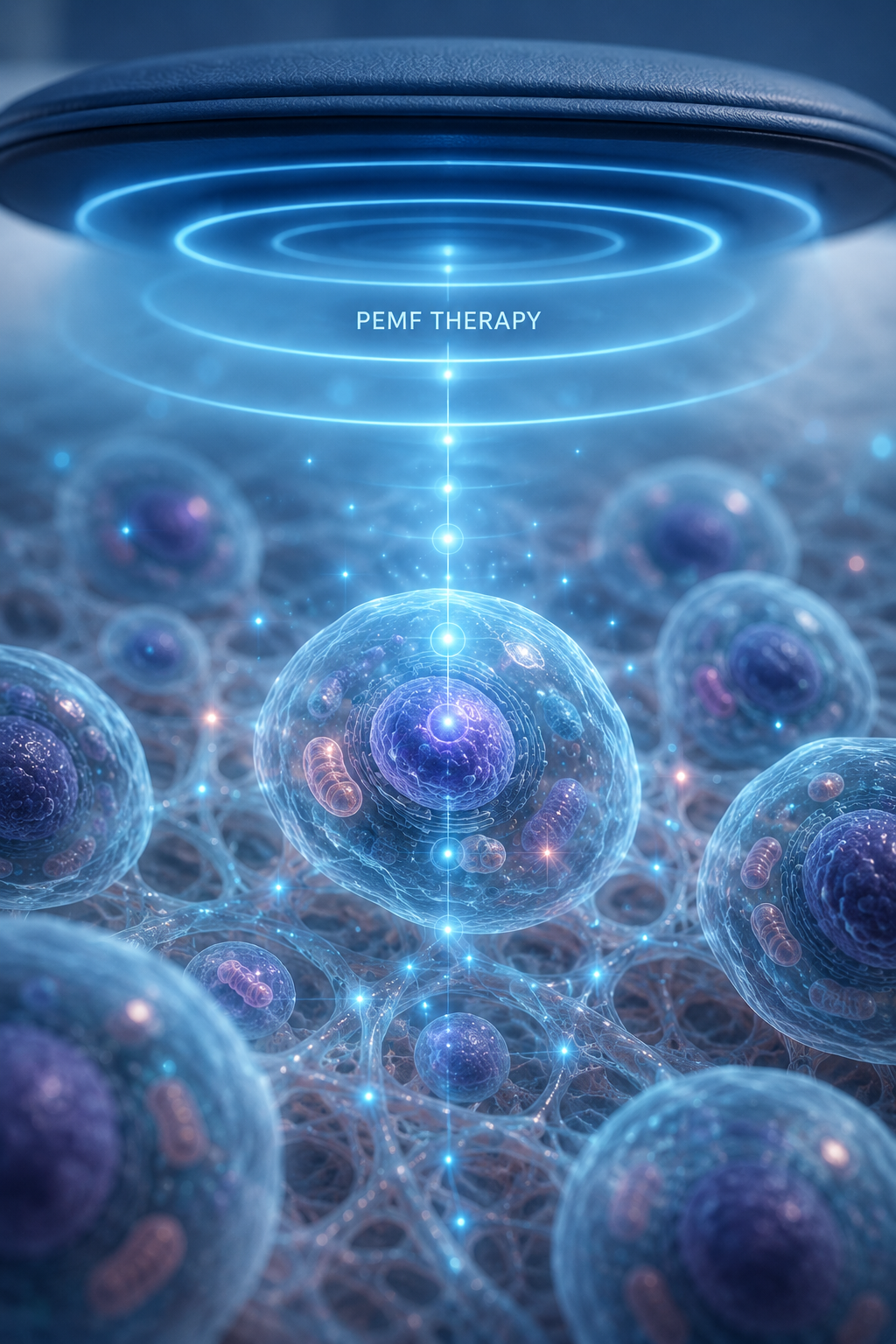
When electromagnetic pulses pass through tissue, they restore proper ion exchange across cell membranes — the process that keeps cells charged and communicating. Once cells are properly energized, mitochondria (the energy factories inside each cell) produce more ATP, the fuel that powers every cellular function. This gives tissue the resources it needs to repair damage, reduce inflammation, and maintain normal function.

PEMF also improves microcirculation — blood flow through the smallest vessels that deliver oxygen and nutrients to every cell while carrying away waste. Research has shown PEMF can increase cellular oxygen absorption significantly, which is particularly meaningful for injured, inflamed, or degenerating tissue. It also reduces inflammation at the enzyme level, stabilizes nerve membranes to reduce abnormal pain signaling, and stimulates the cells responsible for rebuilding tissue — osteoblasts for bone, chondrocytes for cartilage, and fibroblasts for connective tissue.

At Denali, PEMF is integrated strategically into treatment protocols rather than used as a standalone add-on. We assess which tissues and systems need support, position applicators precisely, and adjust intensity and duration based on your individual response and goals.

What to Expect

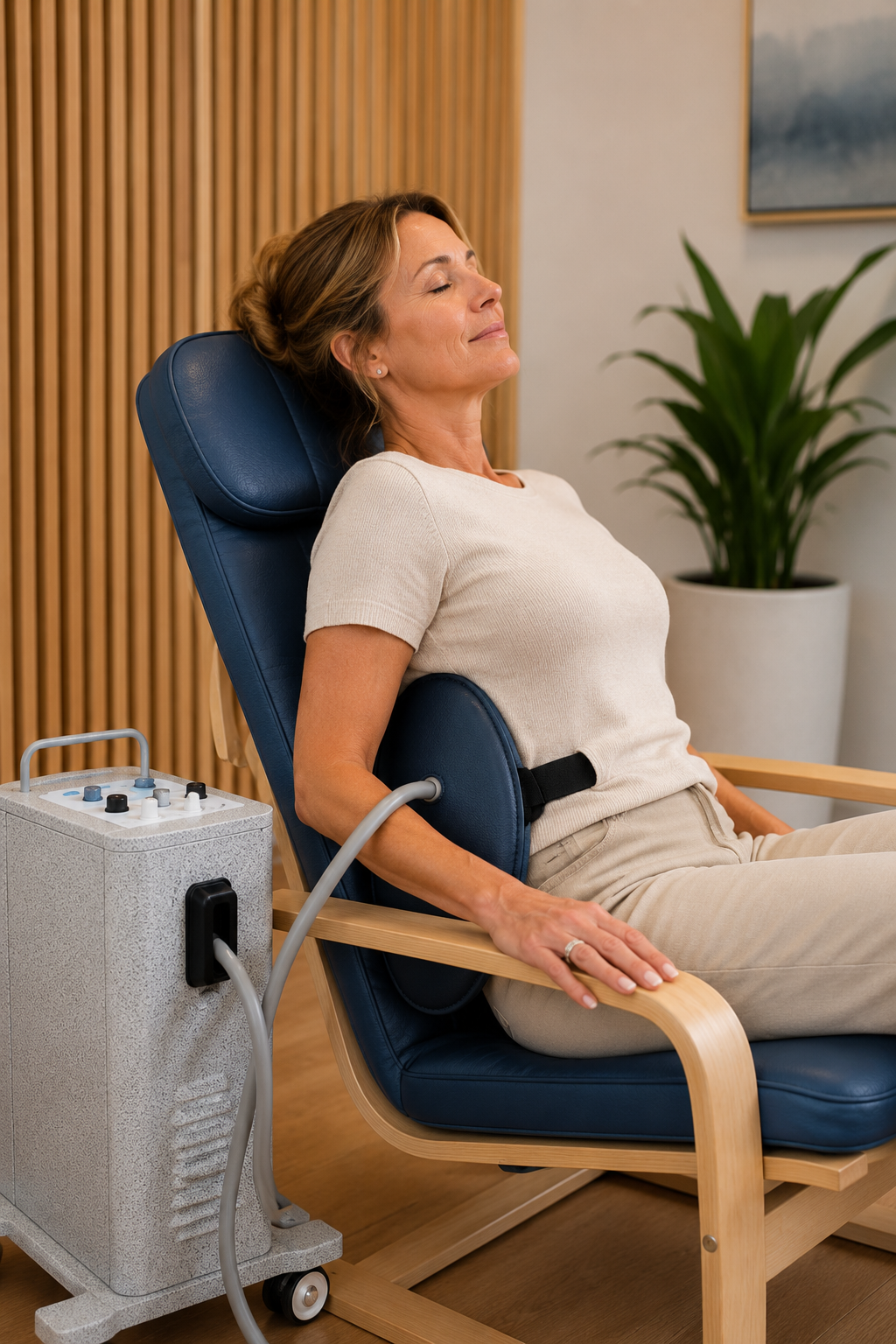
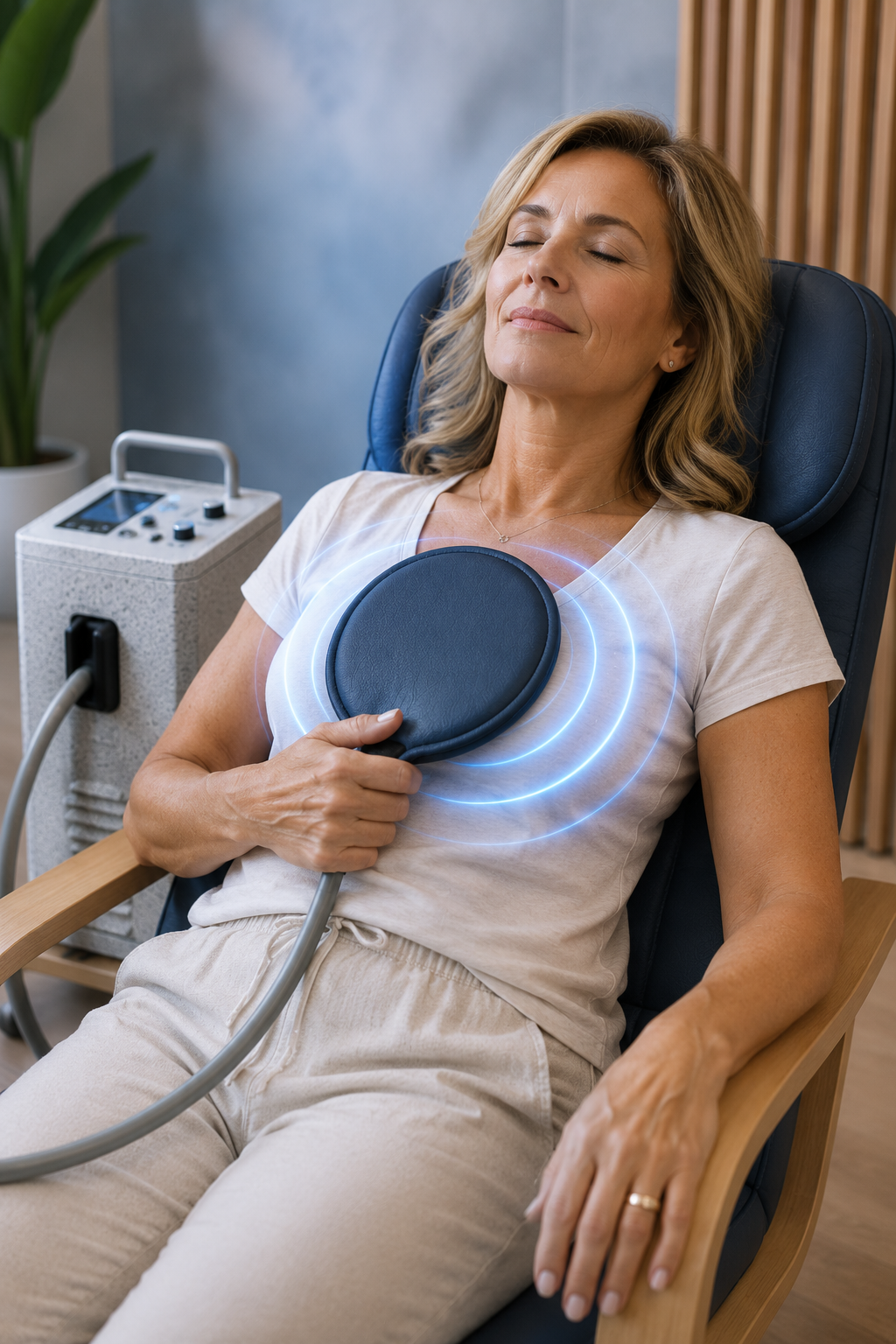
PEMF therapy is completely comfortable and non-invasive. You relax in a comfortable position while specialized applicators are placed over the areas being treated. Sessions typically last 10 to 20 minutes. Most patients report feeling a subtle pulsing or tingling sensation — though some feel nothing at all, which is equally normal — along with a sense of deep relaxation, warmth in the treated areas, and a pleasant settling or grounding in the body.

Immediately after treatment, patients often notice muscles feeling more relaxed, improved range of motion, less pain or discomfort, and a calm, centered feeling. Some feel energized; others feel peacefully tired. Both are normal responses.

Over the following hours and days, many patients experience progressive reduction in pain and inflammation, better sleep, improved mood, less muscle tension and stiffness, and faster healing.

Occasionally, patients experience a brief healing response — temporary mild soreness or a slight increase in symptoms as the body actively releases stored tension. These responses typically resolve within 24 to 48 hours.

For acute conditions, 2 to 3 sessions per week for 2 to 4 weeks is a typical starting point. For chronic conditions, 1 to 2 sessions per week for 6 to 12 weeks. Many patients continue with periodic maintenance sessions after completing their initial protocol.

What It Helps

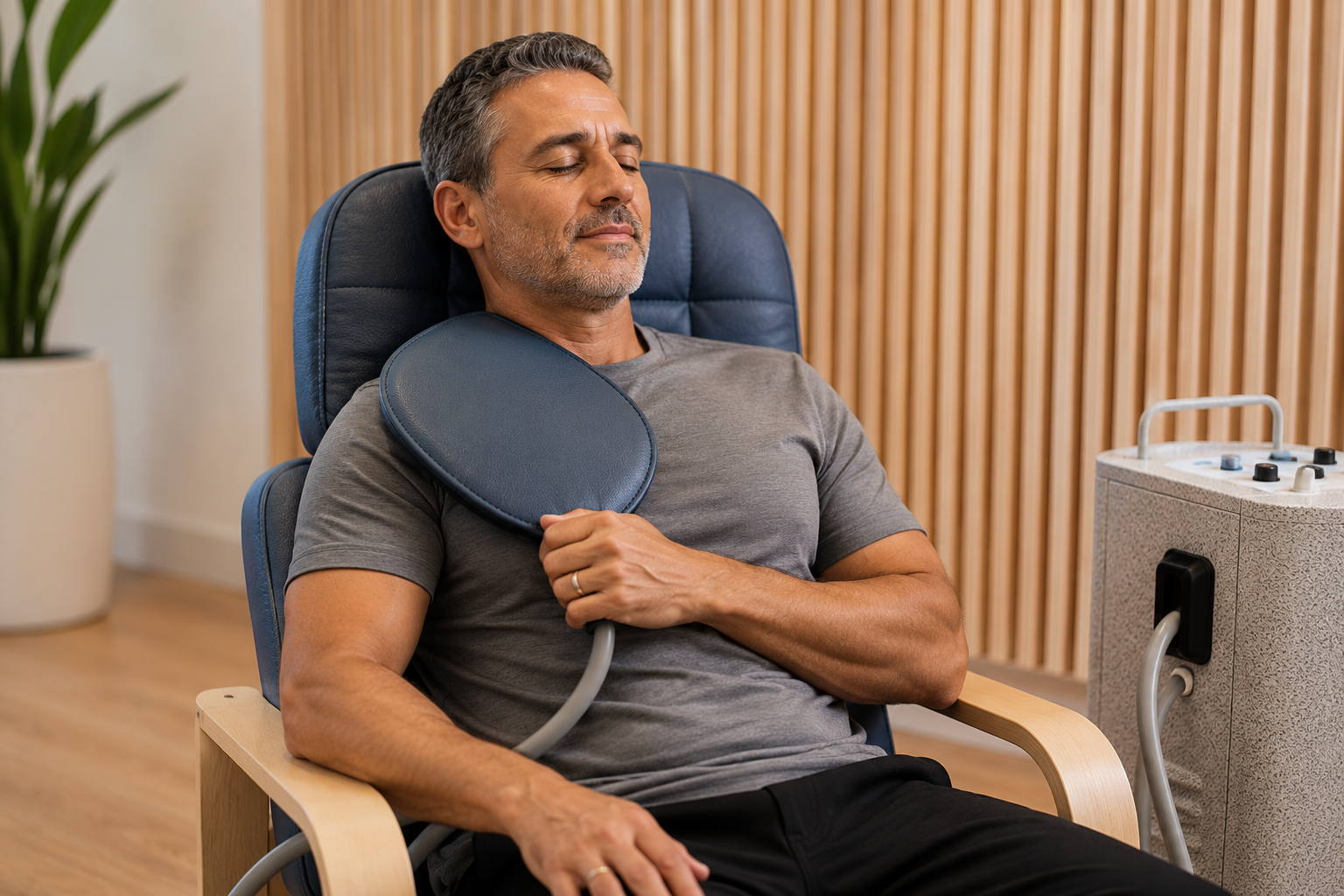
PEMF is effective across a wide range of conditions. Musculoskeletal applications include chronic low back pain, osteoarthritis, sacroiliac joint dysfunction, sports injuries, ligament and tendon injuries, fibromyalgia, and chronic neck and shoulder pain. For bone healing, PEMF is FDA-approved for fracture nonunions, delayed healing after injury, and post-surgical bone regeneration.

For nerve and neurological concerns, PEMF supports peripheral neuropathy, nerve entrapments, radiculopathy, and chronic pain syndromes. For pelvic health, it offers support for pelvic floor dysfunction, chronic pelvic pain, and postpartum recovery. It also supports stress and nervous system dysfunction, immune function, cellular detoxification, and general energy and vitality.

PEMF works particularly well alongside other treatments — when combined with RenuO2 injections, neural activation therapies, or other program components, it accelerates and deepens the effects of those therapies.

Stop Guessing. Start Understanding.

Safety Considerations

PEMF is not recommended with implanted electronic devices (pacemakers, defibrillators, cochlear implants, insulin pumps), during pregnancy, with active cancer at or near the treatment site, with uncontrolled seizure disorder, or with active infection in the area being treated. Please inform our team if any of these apply to you before your appointment.

Side effects are typically mild and temporary — occasional soreness or a brief healing flare, mild fatigue or drowsiness after treatment, or warmth and tingling sensations during the session. These effects usually resolve within hours to a day.

10 Tips for Overcoming Joint Pain

Enter your information below to learn how we've helped thousands treat the root source of their pain and helped them truly heal by triggering the body's innate healing system.

You have Successfully Subscribed!