

Neural Reboot

Your Nervous System Was Designed to Protect You. Sometimes It Forgets How to Turn Off.

Think about the last time you felt truly at ease. Not distracted, not mentally preparing for what comes next. Just calm.

For many people, that feeling has become surprisingly unfamiliar.

Instead, life feels like it’s lived with the volume turned up. Your mind rarely slows down. Sleep isn’t restorative. Your shoulders stay tight and your jaw stays clenched. Small challenges require more energy than they should, and relaxing — even when nothing is actually wrong — feels almost impossible.

Maybe you’ve tried meditation. Exercise. Counseling. Supplements. Medications. Vacation. Some things helped for a while. But something still doesn’t feel right, and you’re not sure why.

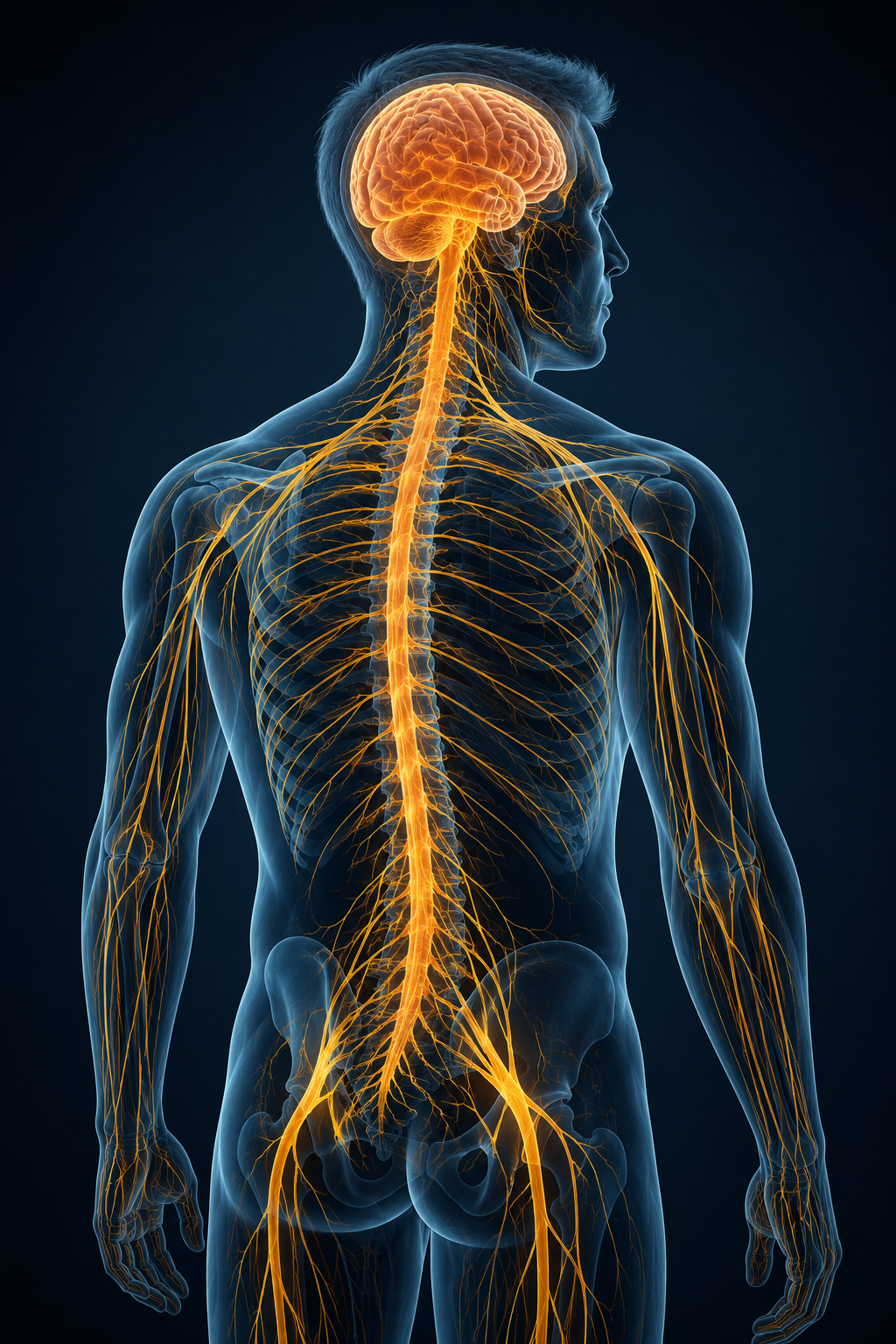
Your nervous system quietly coordinates nearly every function in your body — your heartbeat, breathing, digestion, immune system, hormones, sleep, energy, and your ability to adapt to everyday life. When it’s functioning well, you rarely think about it. When it isn’t, the effects can appear almost anywhere.

You may recognize some of these patterns: anxiety or a persistent feeling of being on edge, difficulty relaxing even when life is calm, trouble falling or staying asleep, brain fog or difficulty concentrating, fatigue that never seems to improve, muscle tension or chronic headaches, digestive symptoms that worsen with stress, or feeling overwhelmed by situations you once handled with ease.

These symptoms often seem unrelated and are frequently treated one at a time. But they may all reflect something much more consistent — a nervous system that has become stuck in protection instead of regulation.

The encouraging news is that your nervous system was designed to adapt. The same remarkable system that learned protective patterns through stress, illness, injury, or trauma also has the capacity to develop healthier ones — when it’s given the right environment and support. That’s the purpose of the Neural Reboot.

Why Your Nervous System May Feel Stuck

Your body is constantly asking one question: Am I safe?

Every second of every day, your nervous system evaluates the world around you and decides how your body should respond. When it senses danger, it shifts into protection — your heart beats faster, your muscles tighten, your breathing becomes shallower, stress hormones rise, digestion slows, and healing is temporarily placed on hold. This response is remarkable when you’re facing a true emergency.

The challenge is that today’s threats are rarely physical. Chronic stress, poor sleep, past injuries, persistent pain, hidden infections, environmental exposures, nutrient deficiencies, and emotional trauma can all send the same alarm signals to your nervous system — repeatedly, over months and years. Over time, these signals can teach the nervous system that danger is simply the normal state of things.

Eventually, the body begins responding as though it needs to stay prepared even when no immediate threat is present. The stress response that was designed to turn on briefly and then resolve becomes a background hum that never fully quiets. Muscles stay braced. Sleep stays shallow. The mind stays vigilant. And the harder you try to relax, the more elusive it becomes.

At Denali, we don’t view this as a character flaw or simply a matter of managing stress better. We see it as a pattern — and patterns can be understood. Through Foundational Medicine, we look beyond symptoms to identify what may be keeping your nervous system locked in survival mode. Many people presenting with very different symptoms share surprisingly similar underlying drivers.

Understanding those drivers is where restoration begins. Because before we can help calm the nervous system, we first need to understand why it became dysregulated in the first place.

A Structured Approach to Restoring Nervous System Regulation

No two nervous systems become dysregulated in exactly the same way.

Some people have spent years living under chronic stress. Others are recovering from trauma, illness, persistent pain, or repeated physical injuries. While every story is different, the nervous system often responds in remarkably similar ways.

That’s why every Neural Reboot begins with Discovery. Before recommending treatment, we identify the patterns unique to your body and use those findings to guide a personalized treatment plan.

The Neural Reboot combines four foundational therapies, each designed to address a different aspect of nervous system regulation. Together, they help support your body’s ability to shift from chronic protection toward healthy regulation.

Stellate Ganglion Reset

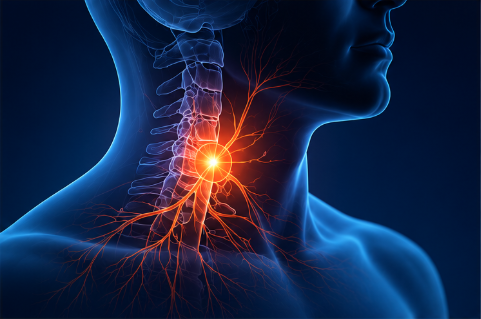
At the base of your neck is a small nerve center that helps regulate your upper body’s stress response. Under chronic stress or trauma, it can become stuck sending alarm signals long after the danger has passed.

The Stellate Ganglion Reset is designed to help interrupt those patterns and support a healthier balance between protection and regulation.

How Does It Work?
Vagal & Pelvic Nerve Activation

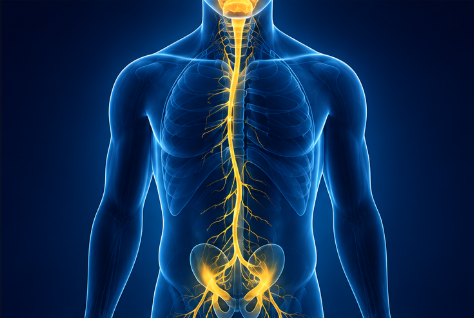
The vagus nerve is one of your body’s primary pathways for calm, while the pelvic nerves help regulate many of the lower body’s restorative functions. When these pathways aren’t communicating well, the body can struggle to shift out of survival mode.

Targeted nerve activation is designed to strengthen these calming pathways and support healthier nervous system communication.

See How It Helps
Hypogastric Neural Plexus (HNP) Therapy

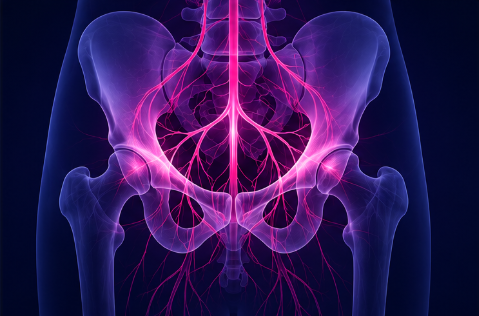
Deep within the pelvis is a major communication hub that helps coordinate the lower body’s stress response. When it becomes overactive, it can contribute to persistent tension, pelvic dysfunction, and difficulty fully relaxing.

HNP Therapy is designed to help restore healthier signaling and support long-term nervous system balance.

Explore the Therapy

Un-Trapezius Muscle Release

The trapezius muscle often becomes a physical storage site for chronic stress. Over time, persistent muscle tension can continue reinforcing the nervous system’s sense that something is wrong.

Un-Trapezius Muscle Release is designed to release these chronic tension patterns and help restore a greater sense of ease throughout the upper body.

Learn More About This Treatment

Stellate Ganglion Reset

At the base of your neck is a small nerve center that helps regulate your upper body’s stress response. Under chronic stress or trauma, it can become stuck sending alarm signals long after the danger has passed.

The Stellate Ganglion Reset is designed to help interrupt those patterns and support a healthier balance between protection and regulation.

Vagal & Pelvic Nerve Activation

The vagus nerve is one of your body’s primary pathways for calm, while the pelvic nerves help regulate many of the lower body’s restorative functions. When these pathways aren’t communicating well, the body can struggle to shift out of survival mode.

Targeted nerve activation is designed to strengthen these calming pathways and support healthier nervous system communication.

Hypogastric Neural Plexus (HNP) Therapy

Deep within the pelvis is a major communication hub that helps coordinate the lower body’s stress response. When it becomes overactive, it can contribute to persistent tension, pelvic dysfunction, and difficulty fully relaxing.

HNP Therapy is designed to help restore healthier signaling and support long-term nervous system balance.

Un-Trapezius Muscle Release

The trapezius muscle often becomes a physical storage site for chronic stress. Over time, persistent muscle tension can continue reinforcing the nervous system’s sense that something is wrong.

Un-Trapezius Muscle Release is designed to release these chronic tension patterns and help restore a greater sense of ease throughout the upper body.

Supporting Your Program

In addition to the four core therapies, your care plan may also include targeted nutritional support, professional-grade supplementation, home nervous system exercises, lifestyle guidance, PEMF therapy, and other supportive therapies.

Each recommendation is designed to complement the work being done in the clinic, creating an environment where your nervous system has the opportunity to regulate, recover, and build lasting resilience.

Your Body Knows How to Be Calm. Sometimes It Just Needs the Right Conditions to Remember.

Healing doesn’t mean life becomes stress-free. It means your body becomes better equipped to move through stress without staying stuck in it.

As nervous system regulation improves, the changes patients describe often extend well beyond what they originally came in for. Sleep becomes more restorative. The mental noise quiets. Situations that once felt unmanageable begin to feel navigable again. The body stops bracing for something that isn’t coming.

That’s not a small thing. When your nervous system functions the way it was designed, every other system has the opportunity to function better alongside it — digestion, immunity, hormones, energy, mood, and healing.

We don’t promise a perfect outcome. We believe in helping your body rebuild the foundation that allows regulation — and through it, healing — to happen.

Your symptoms tell part of the story. Discovery helps uncover the rest.

FAQs

What is the Neural Reboot designed to treat?

The Neural Reboot is designed for people experiencing symptoms of chronic nervous system dysregulation — including persistent anxiety, difficulty relaxing or sleeping, brain fog, fatigue, chronic muscle tension, digestive symptoms tied to stress, and a general sense that the body is stuck in a heightened state. It may also be appropriate for those with PTSD, treatment-resistant anxiety, or symptoms that haven’t responded well to other approaches.

The Stellate Ganglion Reset involves delivering RenuO2 therapy to a nerve center at the base of the neck that controls the upper body’s stress response. The procedure takes less than 30 minutes and most patients experience minimal discomfort. Your provider will review your history, explain what to expect, and determine whether it’s appropriate for your situation during your Discovery evaluation.

Those approaches all have value and may remain part of your broader care. The Neural Reboot addresses a different level — the nervous system’s underlying patterns and physiology rather than symptoms or behaviors. For many people, working at this level allows other approaches to become more effective, or reduces the degree to which they’re needed.

The Neural Reboot is an 8-week structured program. Each week builds on the previous one, allowing your nervous system time to adapt and strengthen rather than being flooded with too many interventions at once. After completing the initial 8 weeks, most patients transition to periodic maintenance sessions to sustain the progress they’ve made and prevent regression into old patterns.

Not in the way most people imagine. After the initial 8-week program, many patients find that periodic maintenance sessions — monthly or quarterly depending on their situation — are enough to keep the nervous system functioning well. The goal of the Neural Reboot is to help your nervous system develop healthier regulatory patterns, and for many people, those patterns hold with only occasional reinforcement. Your provider will give you a clear picture of what ongoing care looks like for your specific situation as you move through the program.

10 Tips for Overcoming Joint Pain

Enter your information below to learn how we've helped thousands treat the root source of their pain and helped them truly heal by triggering the body's innate healing system.

You have Successfully Subscribed!