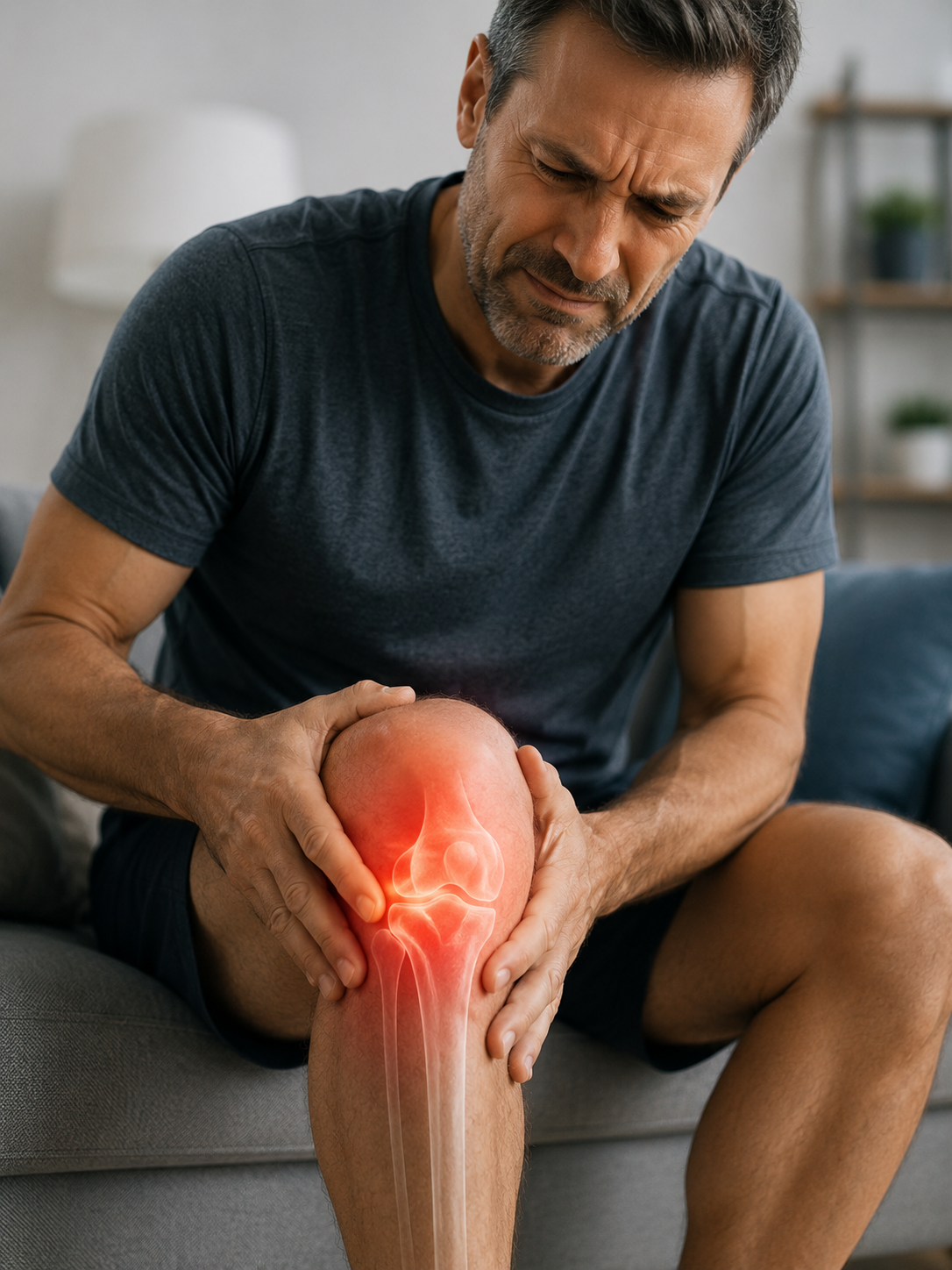
When you cut your skin, your body begins repairing it almost immediately.
When you sprain an ankle, healing begins within hours.
Your body is remarkably capable of repairing itself.
But not every tissue heals the same way.
Cartilage has very little blood supply. Tendons and ligaments receive fewer nutrients than muscles. Years of repetitive stress, chronic inflammation, or injury can overwhelm the body’s natural repair processes — and instead of rebuilding healthy tissue, the body settles into a cycle of pain, stiffness, and limited function.
Many people eventually hear the same thing: live with it, manage it with medications, try another steroid injection, or consider surgery.
Regenerative medicine offers another path.
Rather than masking pain, it is designed to support your body’s own healing processes — creating an environment where damaged tissue has a better opportunity to repair itself.
Whether you’re hoping to return to hiking, golf, gardening, or simply getting through your day with less pain — the goal is the same. Helping you move with greater comfort, strength, and confidence.

Healing is one of the most remarkable things your body does.
It depends on healthy circulation, oxygen delivery, cellular communication, collagen production, and a well-regulated inflammatory response. When these systems work together, damaged tissue has the resources it needs to recover.
Your body already knows how to heal. It simply needs the right biological environment to do its work.
Over time — through aging, chronic stress, repeated injury, or persistent inflammation — that environment can shift in ways that slow or stall recovery.
Blood flow becomes more limited. Inflammation transitions from productive to chronic. Connective tissue weakens. Cells become less efficient at repairing the damage they’re sustaining.
The result is tissue that continues to break down faster than it rebuilds. Not because the body has forgotten how to heal, but because the conditions healing depends on are no longer fully in place.
Regenerative medicine is designed to restore those conditions — not to replace your body’s repair systems, but to support and encourage them.

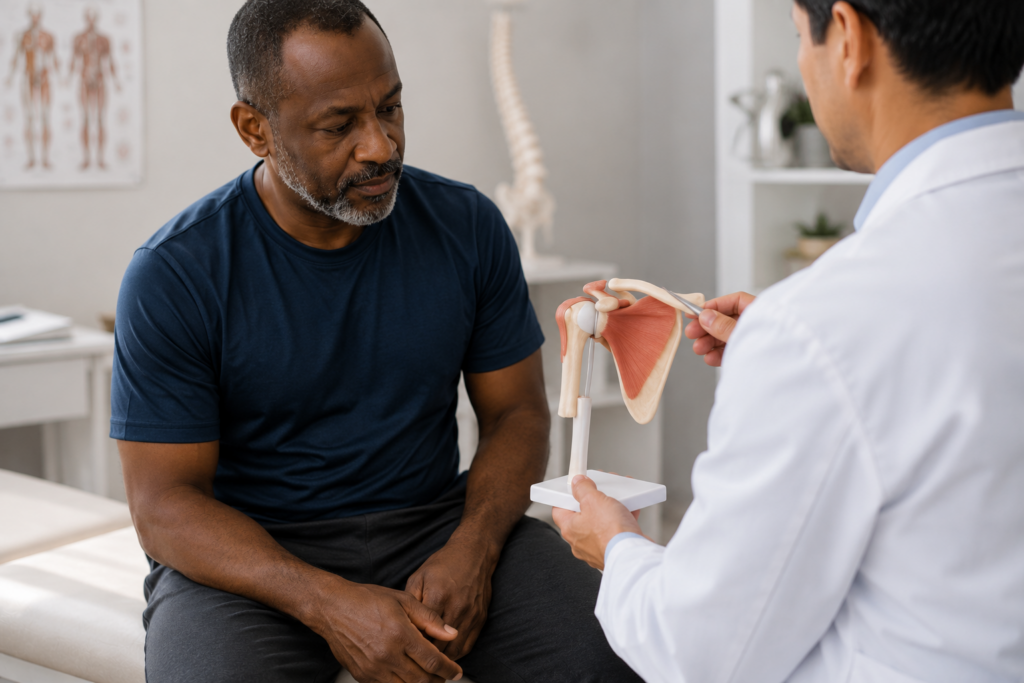
For many patients, the injury itself is the primary problem. Address the local environment, support the tissue, and recovery follows.
For others — particularly those dealing with recurring injuries, chronic joint pain, or healing that seems slower than it should be — what’s happening at the joint may be influenced by larger patterns throughout the body. Inflammation, nutrition, biomechanics, metabolic health, and movement habits all shape the environment that tissue lives in.
This is why every patient at Denali begins with a comprehensive orthopedic evaluation. If your provider believes additional patterns may be contributing to your condition, they may recommend our Total360 Discovery — a deeper look at the systemic factors that influence how your body heals and recovers.
Because sometimes the joint isn’t the whole story. Sometimes it’s about the environment the joint is living in.
When we’re young, time is often enough.
As we age — or when tissue has been repeatedly stressed or injured — the body sometimes needs additional support to recreate the conditions where healing can occur.
That’s where regenerative medicine comes in.
Healing isn’t something we do to your body. It’s something we help your body do.

Pain is personal — but the conditions behind it are often surprisingly common.
Whether your symptoms developed gradually or began with a specific injury, understanding what’s happening inside your body is the first step toward choosing the right path forward.
Select the area that best matches what you’re experiencing to learn about common causes, why healing sometimes stalls, and how regenerative medicine may help.
Not sure what’s causing your pain? Schedule a personalized evaluation and we’ll help determine whether regenerative medicine may be right for you.
At Denali, regenerative medicine isn’t built around a single injection.
It’s built around creating the conditions your body needs to repair damaged tissue — and then supporting that process at every stage of recovery.
Every patient receives a personalized treatment plan centered on RenuO2, our oxygen-based regenerative injection protocol. Depending on your condition and recovery goals, your provider may also recommend additional therapies to further support healing.
Each component has a purpose. Together, they create a more complete approach to regeneration.
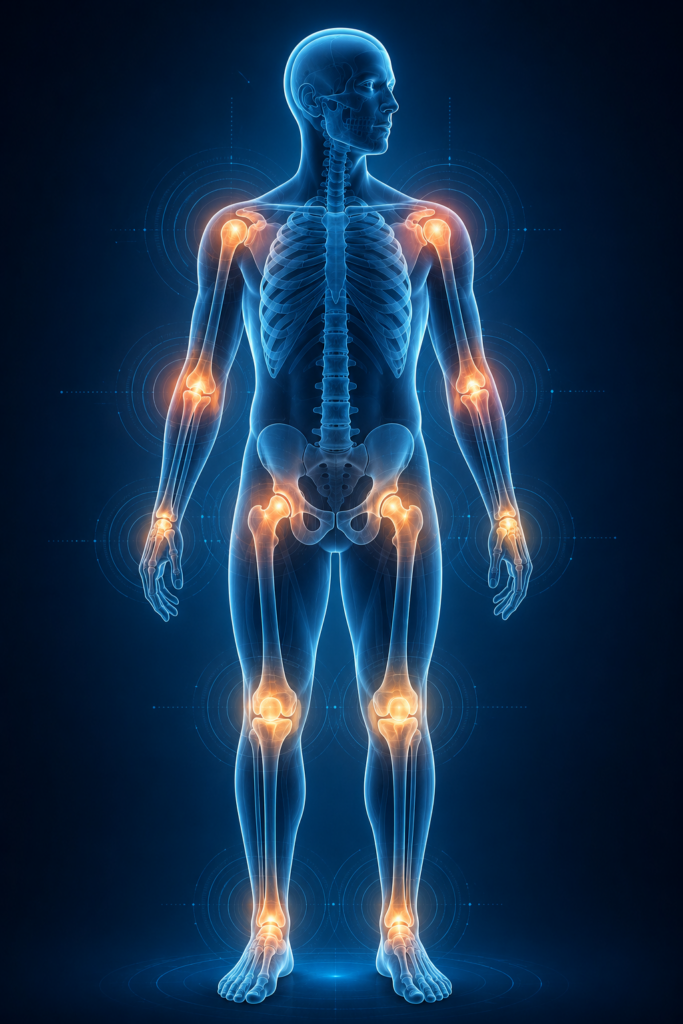
Most regenerative injection therapies focus on one mechanism. But damaged tissue rarely struggles for just one reason.
Some tissue lacks circulation.
Some needs a stronger healing response.
Some pain persists because the nervous system hasn’t reset.
RenuO2 combines three regenerative approaches because healing is rarely a one-dimensional problem.
The protocol integrates Prolotherapy, Prolozone Therapy, and Neuroprolotherapy into a single treatment — each addressing a different aspect of why tissue fails to heal and what it needs to recover.
Prolotherapy uses a proliferant to stimulate the body’s own repair response, encouraging the growth of stronger connective tissue. Prolozone delivers oxygen directly into the joint environment, supporting cellular repair in tissue that typically receives very little circulation. Neuroprolotherapy targets the nerve layer just beneath the skin, calming misfiring pain signals and restoring the nervous system’s role in the healing process.
Together, these three approaches create a more complete biological environment for recovery than any one of them could provide alone. Rather than relying on one mechanism to do everything, the protocol brings together therapies that work at different levels — circulation, tissue repair, nerve function — simultaneously.
Dextrose Used in regenerative injection therapy to stimulate the body’s natural repair response and encourage the development of stronger, healthier connective tissue.
Procaine Helps improve comfort during treatment while calming irritated nerves — allowing movement and healing to work together rather than against each other.
Empowered Oxygen (O3) This is the component that makes RenuO2 fundamentally different from a standard injection.
Joints, ligaments, and cartilage share a common challenge: they have very little blood supply. Unlike muscle tissue, which is richly vascularized, these structures receive minimal circulation — which is precisely why they are so slow to heal after injury. When tissue can’t get the oxygen and nutrients it needs, it doesn’t fully recover. It adapts. It compensates. And over time, it breaks down.
Ozone therapy delivers oxygen directly into that environment. Once there, it activates cellular responses that support tissue repair, reduce oxidative stress at the injury site, and helps recreate the biological conditions that healing depends on. It reaches tissue that most treatments simply cannot access through circulation alone.
This is not a new concept. Oxygen-based therapies have been in clinical use since the 1890s and are practiced by tens of thousands of physicians worldwide. At Denali, it is the core of what makes RenuO2 work where other approaches have not.
Vitamin B12 Supports normal nerve function and healthy cellular metabolism throughout the healing process.
Every regenerative treatment at Denali includes Pulsed Electromagnetic Field (PEMF) therapy.
PEMF delivers gentle electromagnetic pulses that stimulate cellular activity and support the energy production that healing depends on. It is not a stand-alone treatment here — it is a deliberate complement to RenuO2, administered immediately before or after each injection so that both therapies work in concert.
Most patients are surprised to learn that something this non-invasive can play a meaningful role in how their tissue responds and recovers.
Is PEMF right for you? PEMF is safe and well-tolerated for the vast majority of patients. However, it is not appropriate for everyone. Patients with implanted electrical devices — including pacemakers, defibrillators, and cochlear implants — should not receive PEMF therapy, as the electromagnetic field can interfere with device function. It is also not recommended during pregnancy, or for patients who have received an organ transplant and are currently on immunosuppressant medications. If you have any of these conditions, please let us know before your appointment. Your provider will note this during your evaluation and design your treatment plan accordingly — PEMF is one tool among several, and its absence does not limit the effectiveness of the broader protocol.
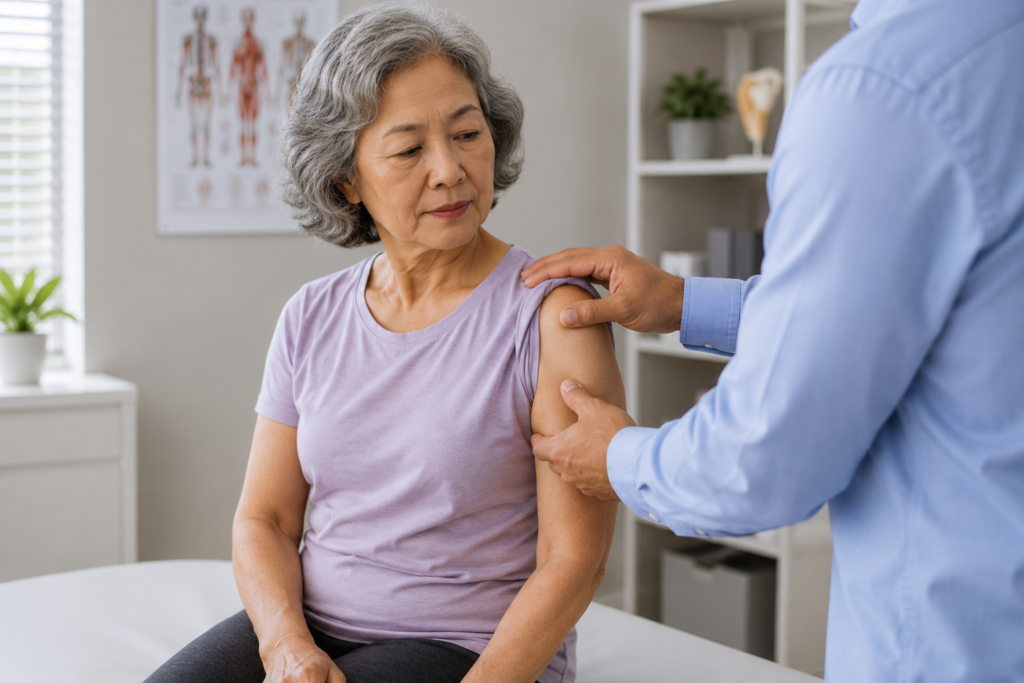
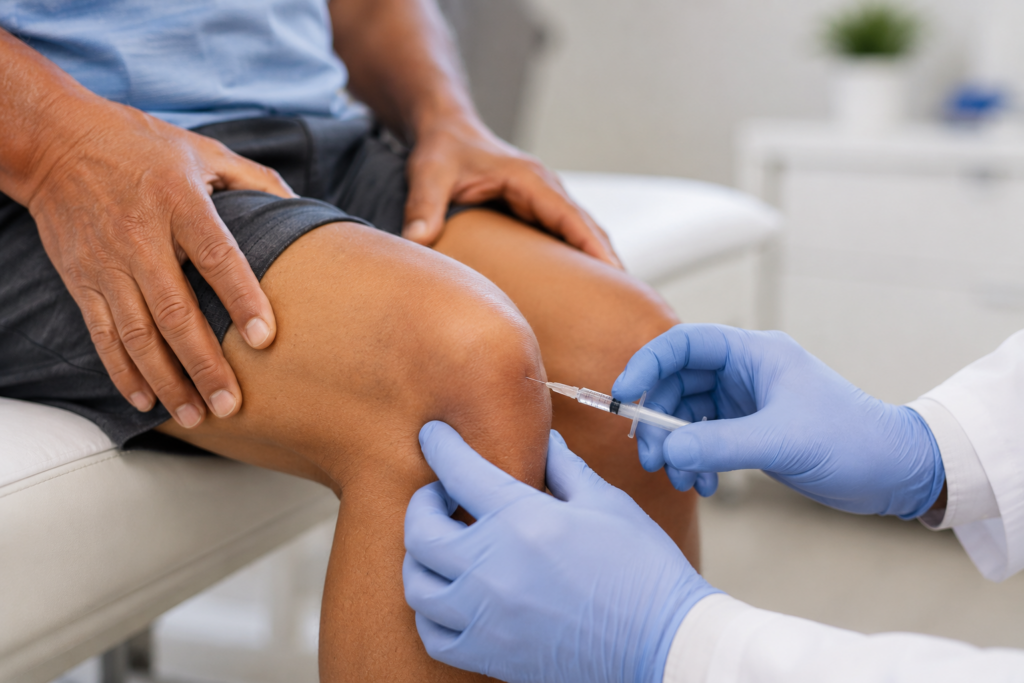
Healing is never one-size-fits-all.
For some patients, additional therapies may be appropriate to further support recovery — particularly in cases involving more complex injuries, tissue damage, or slower healing patterns.
BPC-157 A peptide that provides targeted biological support for tendon, ligament, muscle, and connective tissue healing. Recommended when additional recovery support is clinically appropriate.
Platelet-Rich Plasma (PRP) Uses concentrated platelets drawn from your own blood to deliver naturally occurring growth factors directly to injured tissue. Particularly well-suited for specific joint and soft tissue conditions where the body’s own repair signals need amplification.
The Wolverine Stack For select patients with more complex injuries, your provider may recommend combining BPC-157 with TB-500. Together, these peptides offer complementary support for tissue repair and recovery — addressing different aspects of the healing process simultaneously.
Your journey begins with a comprehensive orthopedic evaluation — a focused conversation about your pain, your history, your activity goals, and what you’ve already tried.
If regenerative medicine is appropriate for your condition, your provider will design a personalized treatment plan. No two plans are identical, because no two patients — or injuries — are the same.
We track outcomes carefully. Across the patients we treat, we consistently see meaningful improvement in the mid-to-high 80 percent range. We share that number honestly because it reflects real patients with real injuries — not a best-case scenario. Individual results vary, and your provider will give you a realistic picture of what to expect based on your specific condition.
Your plan may include:
You will always know what we’re recommending, why we’re recommending it, and what we’re watching for as you recover.

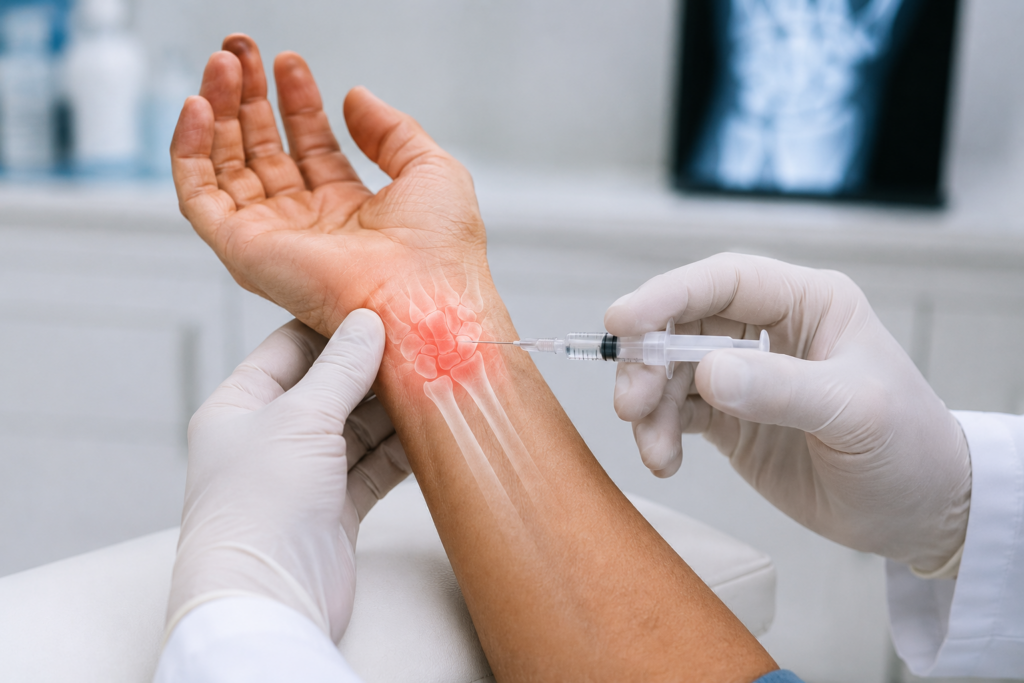
Most patients who find us have already tried something else. Here’s an honest look at how the most common alternatives compare.
Cortisone Injections Cortisone can reduce inflammation quickly, which is why it’s so commonly recommended. But it does not repair tissue — and repeated use carries real risks. Over time, cortisone has been associated with cartilage deterioration, tendon weakening, and increased susceptibility to joint damage. Most physicians limit the number of cortisone injections precisely because of these concerns. It can be appropriate for short-term management, but it is not a path toward recovery.
Surgery For some conditions and some patients, surgery is the right answer. But it carries significant cost, recovery time, and risk — and outcomes are not guaranteed. Many patients undergo joint surgery and still live with chronic pain afterward. For others, surgery is recommended before less invasive options have been fully explored.
RenuO2 RenuO2 is not a pain management strategy. It is designed to support the biological conditions that allow damaged tissue to repair itself. No surgery. No recovery time. No systemic side effects. For the right patient with the right condition, it offers a path that neither cortisone nor surgery provides — the opportunity to actually heal.
No — and we believe that’s an important part of practicing good medicine.
Regenerative medicine can be an excellent option for many tendon, ligament, joint, and soft tissue conditions. But it isn’t the right treatment for every patient or every diagnosis.
Some injuries require surgery. Some conditions respond better to physical therapy, medication, or a more conservative approach first.
Our goal isn’t to recommend RenuO2 to everyone who walks through our doors. Our goal is to recommend the treatment that’s most appropriate for you.
That’s the purpose of your first appointment. We’ll discuss your symptoms, examine the injured area, review any imaging you’ve had, and give you an honest assessment of whether regenerative medicine is likely to help — or whether a different path would better serve your long-term health.
If we don’t believe you’re a good candidate, we’ll tell you.
Because the right treatment is always more important than recommending a particular treatment.

Imagine walking without constantly thinking about your knee.
Working in your garden without paying for it the next day.
Returning to the hiking trail, the golf course, the pickleball court — or simply spending time with the people you love without pain dictating what you can and can’t do.
That’s what we’re working toward.
Not simply less pain — though that matters. Healthier tissue. Restored function. A body that can do what you’re asking it to do.
If you’ve been told your only options are to live with it or consider surgery, it may be time to explore what else is possible.
Schedule a personalized evaluation with one of our providers.
Together, we’ll determine whether regenerative medicine is the right approach for your condition — and whether a deeper look through our whole-body assessment, Total360 Discovery, could help support your long-term recovery.
Enter your information below to learn how we've helped thousands treat the root source of their pain and helped them truly heal by triggering the body's innate healing system.